
Author Archives: Pastor Curtiss
Living Room Church
Living Room Church: Acts 3:1-10
Open It
- If a stranger were to ask you for a handout, what would you most likely do? Why?
- How do you feel toward people who are poor, homeless, or obviously needy?
- What do you remember about a time when you were very sick or hurt?
Explore It
- Where were Peter and John going? (3:1) When?
- Why were the apostles going to the temple? (3:1)
- Who was carried to the temple gate every day? (3:2)
- How long had the beggar been crippled? (3:2)
- Why did the crippled man spend every day at the gate called Beautiful? (3:2)
- What did the beggar do when he saw Peter and John approaching? (3:3)
- How did the two apostles first respond to the crippled man? (3:4)
- What did Peter say to the beggar? (3:4-6)
- In what ways did the crippled man respond to Peter’s words? (3:5,7-8)
- After he was healed, where did the beggar go? (3:8)
- What did Peter and John do after the miraculous healing? (3:8)
- What happened when the man responded to his miraculous healing? (3:8-10) Why?
- How did the people feel about what had happened to the crippled beggar? (3:9-10)
Get It
- If God were to do a miracle of healing among the people in our church, how do you think most people would respond? Why?
- When was the last time God answered a prayer of yours in a joyful way?
- Besides providing financial aid, what can Christians do to help those who are poor or needy?
- How can our congregation be helpful to people with disabilities?
- How can our congregation be sensitive to the needs of those who are physically disabled?
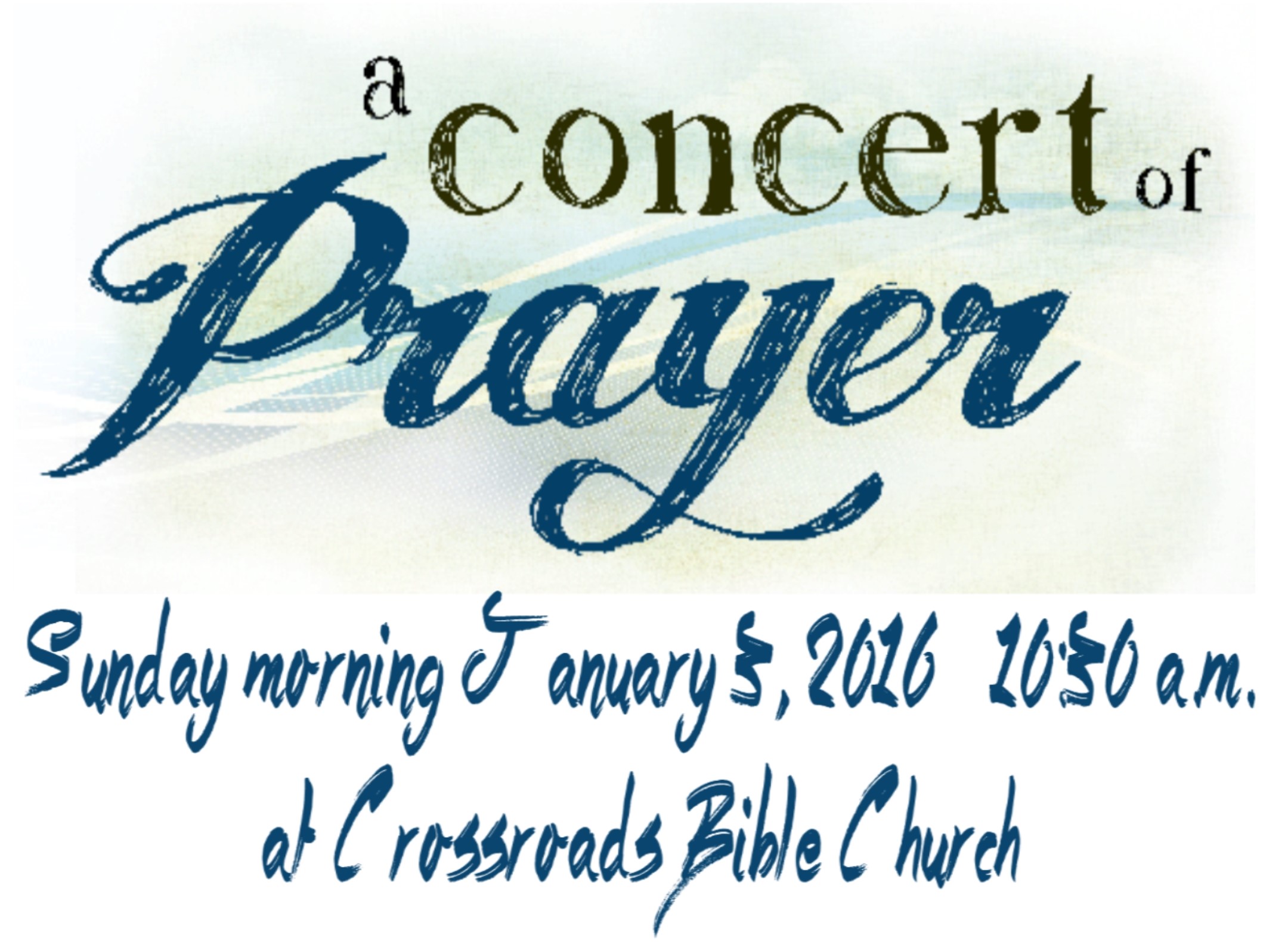
Praying in the New Year
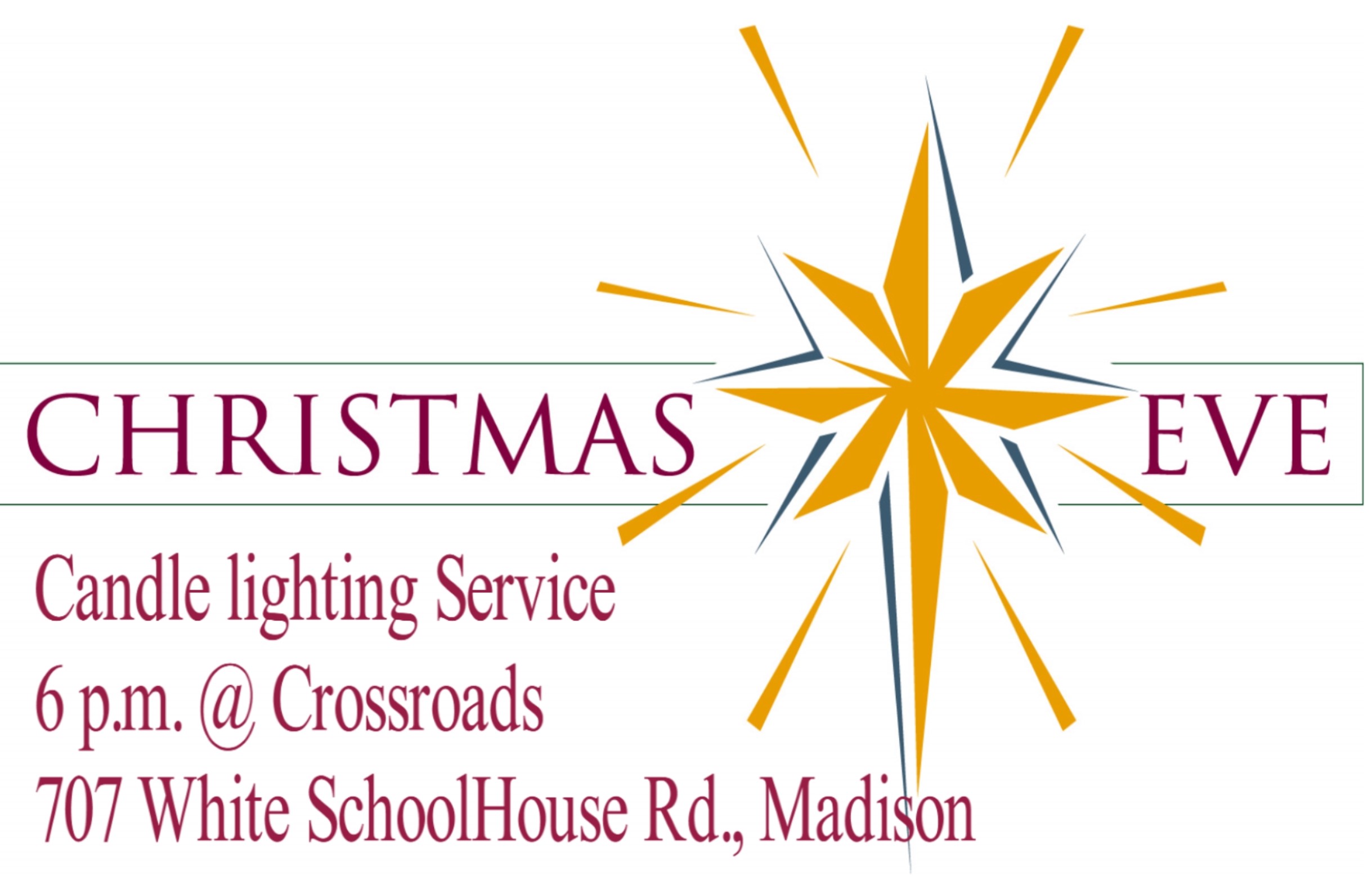
Christmas Eve Candle lighting service
Choosing to be “bound”
Why do I choose to stay “bound” on some issues where other Christians find liberty? I.e. alcohol, language, movies, music, modesty, what we do with our bodies etc. Before I answer, let me first say, that I fail miserably at times and continually seek God’s forgiveness, grace and guidance.
My answers will not be with scripture but by using a general observations. My observation is that many if not most children do not reach the same social, moral or Christian maturity as their parents. You can look at our own history or biblical accounts to see this happening from one generation to the next over and over again. On occasion a generation will find it’s way back to social/moral/Christian roots but this is few and far between. Furthermore, children (mine included) will take the level of liberty I.e. where I/we draw the line, on our social/moral/Christian issues and take it even further as they gain their own independence. Most likely, you and I only have to look as far as our own parents i.e. where they drew the line, and compare with our own. I am not referring to a legalistic spirit which corners and creates an environment of bondage but rather a decision to be “bound” for the betterment of others.
Our society is a product of social/moral/Christian character being eroded away over the generations by accommodating and then receiving what society deems as appropriate morality and what is socially acceptable at any given time. I have chosen to do what I can with the Lord’s help to stop the erosion where for me it matters most, in my very own family. Which means I will gladly give up my liberty for what I believe will create a solid foundation for my children and future generations.
Pastor Curtiss
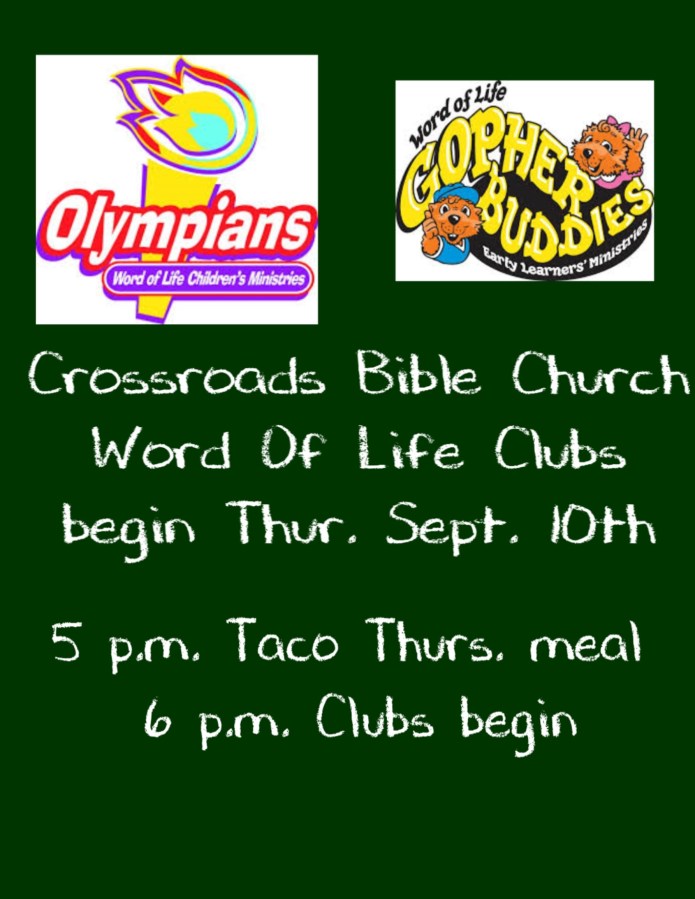
Word of Life Clubs

WOL and MOPS Night
Starting on Thursday, September 1oth. 5 p.m. community meal, 6 p.m. Word of Life Kids Ministry and MOPS will meet two times a month.
Hope Haitian Children’s Choir
We welcome the Hope Haitian Children’s Choir to Crossroads this Wednesday, August 5th at 6:30 p.m. http://www.hopehaitian.com/
 Crossroads Bible Church
You must be logged in to post a comment.